Lengthening up
Marguerite Galizia | AUG 1, 2021
Lengthening up
Marguerite Galizia | AUG 1, 2021
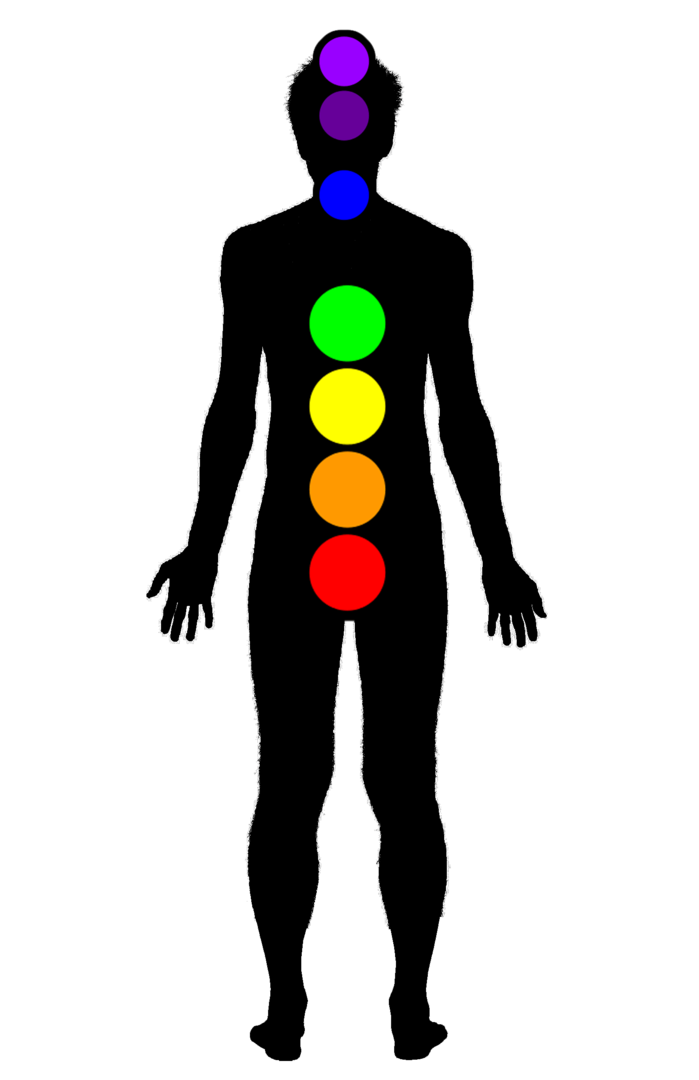
This is my second blog that focuses on the Chakra series. Some time ago I wrote about the root chakra, and the importance of grounding as a foundation for lengthening. You can read that blog post here. In this blog post we take a step up the Chakra ladder to the second Chakra located in the area around the lower abdomen, which, to most Pilates practitioners, is often referred to as the 'centre'. There are so many misconceptions to unpick when it comes to this region, we'll get to that in a moment. the first thing to note is that from a Chakra perspective this second one works in tandem with the first. Whilst the first chakra allows us to root down, the second allows us to lengthen upwards. Together the two directions create polarity.
As a Pilates teacher, I'm often asked by clients: 'how can I get rid of my lower belly?' Many clients feel that this region needs to be 'held in' or 'toned up', 'tightened' even. It's often an area that receives a lot of judgement and yet it's often a dead zone for many of us. Peggy Hackney (the Bartenieff Fundamentals practitioners introduced in the last blog post) describes this region as 'the dead 7 inches' explaining how many people disconnect from this point below their navel. And yet it's a part of the body that houses so many of our internal organs. The intestines, bladder and reproductive organs are all contained inside this relatively small space. It's common for those who feel 'distended' in their lower belly, to experience pain in this region related to one of these organs. It's an area that is sensitive to hormonal changes, diet, stress, lack of rest, not to mention the most obvious one for women: pregnancies or menstrual problems.
I find it very useful to consider the Chakra yoga perspective on this area, as being a place of flow. The healthy second Chakra isn't held tight by a flat stomach, it's soft, fluid and responsive, but, like the root chakra, we do need some tone here, a complete collapse can cause as many problems as over-use.
Now the fitness industry's approach to 'strengthening' this area, is to find ways to 'load' it. The typical exercise I see people doing here is lying on their back, legs in the air and often with hands under the pelvis, swinging their legs up to 'curl' the lower section of the abdomen. OK there's nothing terribly wrong with that except when you come to look at the details. The problem for me, apart from the obvious issues around accessibility, is the lack of precision in many fitness based practices. And one detail that feels particularly important in accessing the lower abdominal area is the softening of the lower belly towards the back of the sacrum in order to access this deepening core.
My preferred way to access this softening of the lower abdomen is to lie on the back with the pelvis slightly raised. This accentuates the dropping backwards through the 'deep front line' and brings us out of the hip flexors (the muscles that cross the front of the hip joint and often restrict the opening of the thigh bone away from the pelvis.) From here it takes some gentle cueing to encourage that deepening (not gripping) of the abdominal softening whilst drawing one knee in at a time. If you find the abdomen begins to dome upwards, or the neck starts to strain, then you've gone into bracing and may need to raise the head or lower the loading (lifting the heel bone only, for example) to access the deepening of the front line.
But the truth is that whilst there are all manner of movements that can help to highlight this area, the key is to access it in standing, running, walking... but that's a whole other blog post.
Marguerite Galizia | AUG 1, 2021
Share this blog post
 OfferingTree